
When Should You Redesign Your Website?
When should you redesign your website? This is one of the most common questions business owners ask when their online presence stops delivering results. A website is not a one-time investment; it is a living digital asset that must evolve with your brand, technology trends, and customer expectations. If your website looks outdated, loads slowly, or fails to convert visitors into customers, it may be time for a strategic redesign. Businesses targeting competitive markets such as the USA, UK, and Canada must ensure their websites reflect modern design standards, are mobile-responsive, and deliver a seamless user experience to stay ahead.
Outdated Design and Poor User Experience
If your website was built more than three to five years ago, chances are it no longer aligns with current design trends or usability standards. Today’s users expect clean layouts, intuitive navigation, and mobile-first performance. A cluttered interface, inconsistent branding, or confusing menu structure can increase bounce rates and reduce trust. A redesign focused on modern UI/UX principles can dramatically improve engagement and lead generation.
Slow Performance and Low Conversions
Another strong indicator is poor performance metrics. If your pages load slowly or your site is not optimised for mobile devices, you are likely losing potential customers. Additionally, if traffic is steady but conversions remain low, your website structure, call-to-actions, or content strategy may need improvement. A redesign allows you to optimise speed, enhance SEO structure, and create conversion-focused layouts.
Business Growth and Rebranding
As your business grows, your website should reflect new services, updated branding, and expanded capabilities. Whether you are introducing advanced solutions like Laravel development, React JS applications, React Native apps, UI/UX design in Figma, or Framer development, your website must communicate expertise clearly and professionally. Explore our services here:
A well-planned redesign strengthens credibility, improves search visibility, and supports long-term growth.
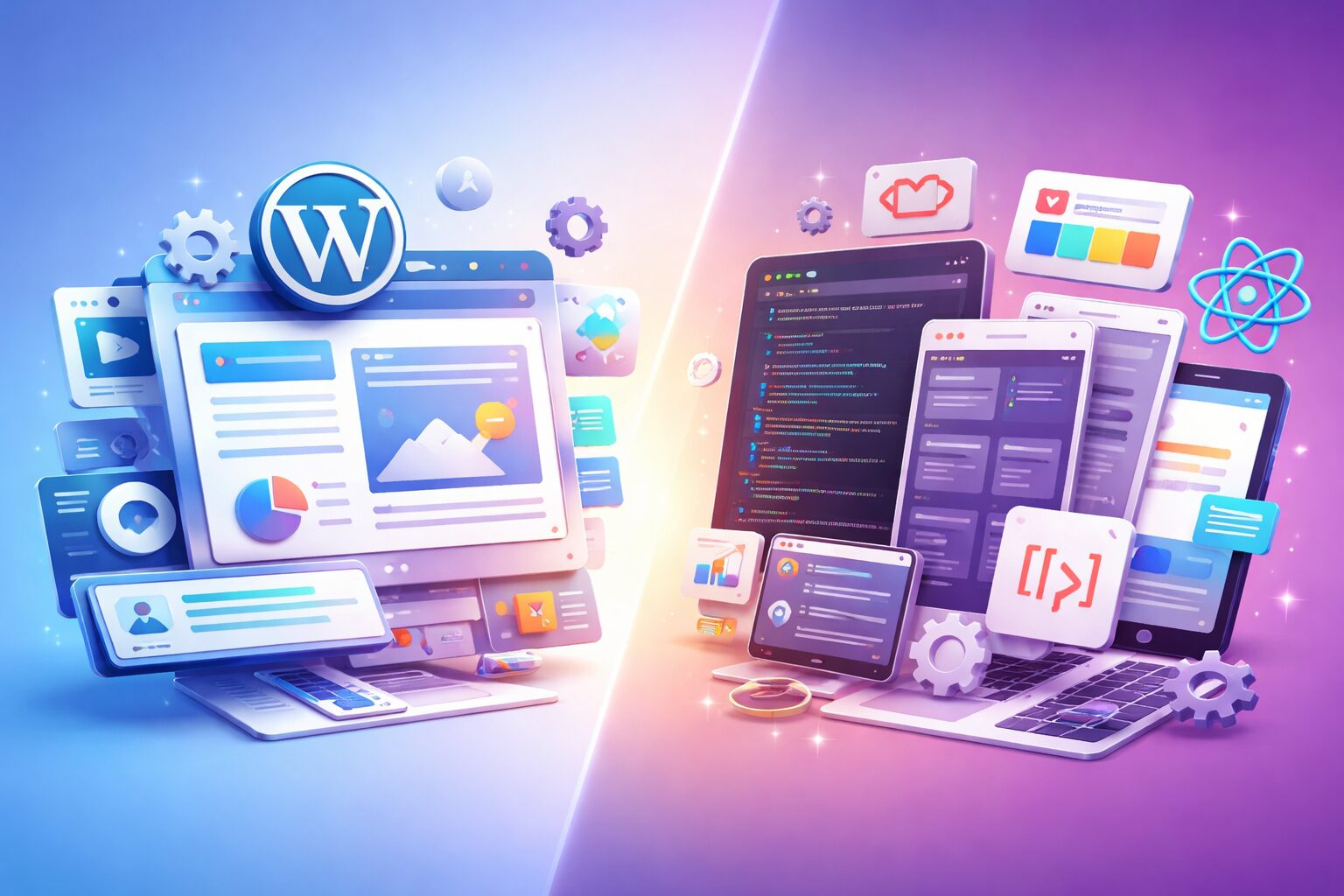
What Are the Signs That You Should Redesign Your Website?
Declining Performance Metrics
One of the clearest signs that you should redesign your website is a steady decline in performance metrics. If your traffic is dropping, bounce rates are increasing, or users are spending less time on your pages, your website may no longer meet modern expectations. Today’s visitors demand fast-loading pages, intuitive navigation, and mobile responsiveness. If analytics show poor engagement, it may indicate structural or design-related issues that require a full redesign rather than minor tweaks.
Outdated Design and Functionality
Visual appeal plays a powerful role in credibility. If your website looks outdated compared to competitors, visitors may question your professionalism. Design trends evolve quickly, and features that worked five years ago may now feel clunky or confusing. Lack of mobile optimisation, broken links, or complicated forms are strong indicators that your platform needs improvement. A redesign allows you to modernise the layout, improve user journeys, and integrate updated technologies.
Business Growth and New Services
Another important sign is business expansion. If your company now offers advanced solutions such as Laravel development, React JS applications, React Native apps, UI/UX design in Figma, or Framer development, your website should clearly reflect these capabilities.
How Often Should You Redesign Your Website for Best Results?
The 3–5 Year Rule
Most businesses benefit from a major website redesign every three to five years. Technology, user behaviour, and search engine algorithms evolve rapidly. Even if your site still functions, it may not meet current performance standards. Regular updates ensure compatibility with new devices, browsers, and security protocols.
Continuous Improvements vs Full Redesign
Not every update requires a complete overhaul. Minor adjustments such as refreshing content, improving calls-to-action, or optimising images can be done regularly. However, when your site structure becomes outdated or difficult to scale, a comprehensive redesign is more efficient. Planning strategically prevents technical debt and keeps your website competitive.
Aligning with Business Strategy
Redesign timing should also align with major business milestones. Rebranding, entering new markets, or launching new digital products are strong reasons to refresh your website. A proactive approach ensures your digital presence supports long-term growth rather than limiting it.

When Should You Redesign Your Website to Improve SEO Rankings?
Declining Search Visibility
If your rankings consistently drop despite publishing high-quality content, your website structure could be limiting your SEO performance. Search engines prioritise fast, mobile-friendly, and technically optimised websites. Poor internal linking, outdated code, or slow load speeds can negatively impact rankings.
Technical SEO Limitations
Older websites often lack schema markup, optimised metadata structures, and proper heading hierarchies. A redesign allows developers to rebuild the site architecture with SEO best practices in mind. Improving URL structure, page speed, and mobile responsiveness can significantly enhance organic visibility.
Content Optimisation Opportunities
A redesign is also an opportunity to restructure content for better keyword targeting and user intent. By aligning your design with strategic content placement and conversion pathways, you create a stronger foundation for sustainable SEO growth.
Does an Outdated Design Affect Website Conversions?
First Impressions Build Trust
Visitors form opinions about your business within seconds of landing on your website. An outdated design can create doubt about your credibility, even if your services are excellent. Clean layouts, professional visuals, and clear messaging improve trust and encourage action.
User Experience Drives Action
Conversion rates are heavily influenced by usability. Complicated navigation, unclear calls-to-action, or slow-loading pages frustrate visitors and lead to abandonment. A redesign focused on user-centred design simplifies the journey and increases engagement.
Competitive Advantage
If competitors offer faster, more visually appealing websites, users are likely to choose them. A modern redesign enhances performance, improves clarity, and aligns your brand with current expectations. By investing in updated design and functionality, businesses can significantly increase lead generation and customer retention.
When Should You Redesign Your Website for Mobile Optimisation?
Increasing Mobile Traffic Trends
If more than 50% of your website traffic comes from mobile devices, but engagement and conversions remain low, it may be time to redesign your website for mobile optimisation. Modern consumers browse, shop, and research services directly from smartphones. If your website is not fully responsive or requires excessive zooming and scrolling, users are likely to leave quickly. Monitoring analytics can help you identify whether mobile visitors are struggling compared to desktop users.
Poor Mobile User Experience
A strong indicator for redesign is distorted layouts, overlapping text, slow-loading images, or buttons that are difficult to tap. Mobile-first design is no longer optional; it is a standard expectation. A mobile-optimised redesign ensures flexible grids, compressed media, and simplified navigation that adapts seamlessly to different screen sizes.
Impact on Search Rankings
Search engines prioritise mobile-friendly websites. If your site fails mobile usability tests or shows indexing issues, your visibility may decline. Redesigning with responsive frameworks and optimised performance improves both user satisfaction and search performance, ensuring long-term growth in competitive markets.
Can Slow Website Speed Be a Reason for Redesign?
User Expectations for Speed
Yes, slow website speed is one of the strongest reasons for a redesign. Users expect pages to load within seconds. If your website takes too long, visitors may abandon it before viewing your content. High bounce rates often correlate directly with performance issues.
Technical Limitations of Older Websites
Older websites frequently rely on outdated themes, heavy plugins, or inefficient code structures. These elements slow down performance and create technical debt. While minor optimisations can help, a complete redesign may be necessary if the site’s foundation is not built for speed. Modern frameworks, optimised images, clean code, and improved hosting integration can dramatically enhance load times.
Business and SEO Consequences
Website speed directly affects conversions and search rankings. Slow performance can reduce trust and decrease sales opportunities. A redesign focused on performance optimisation ensures faster page loads, better Core Web Vitals scores, and improved overall user experience, giving your business a competitive advantage.
How Does Poor User Experience Indicate the Need for a Website Redesign?
High Bounce Rates and Low Engagement
Poor user experience often appears in analytics data. If visitors leave quickly, avoid multiple pages, or rarely complete forms, your website structure may be confusing. Complicated navigation, unclear messaging, or excessive pop-ups can frustrate users and discourage interaction.
Confusing Navigation and Layout
A website should guide visitors naturally toward key information. If users struggle to find services, contact details, or pricing, the design may not support intuitive browsing. Redesigning with user-focused layouts, clear headings, and logical content flow improves engagement and satisfaction.
Lack of Accessibility and Modern Features
Web accessibility and inclusive design are essential today. If your site lacks readable typography, proper contrast, or mobile responsiveness, you risk losing potential customers. A redesign provides an opportunity to improve accessibility, streamline the interface, and create a smoother digital journey that builds trust and loyalty.
When Should You Redesign Your Website After a Business Rebrand?
Updated Brand Identity
After a business rebrand, your website should reflect your new logo, colours, tone, and messaging. If your online presence does not match your updated brand identity, it can create confusion and weaken recognition. A redesign ensures visual consistency across all digital platforms.
New Target Audience or Market Expansion
Rebranding often involves targeting new markets or adjusting positioning. Your website must communicate this shift clearly. Updated content structure, messaging strategy, and visuals help attract the right audience and reinforce your new direction.
Aligning Digital Strategy with Brand Goals
A rebrand is more than a visual update; it is a strategic transformation. Redesigning your website allows you to restructure content, highlight new services, and optimise conversion pathways. By aligning your website with your refreshed business goals, you create a stronger foundation for sustainable growth and long-term brand success.
Does Low Engagement Mean It’s Time for a Website Redesign?
Understanding Engagement Metrics
Low engagement is often one of the earliest warning signs that your website is underperforming. If users are not clicking through pages, interacting with content, or completing forms, your design or messaging may not be resonating with your audience. Metrics such as high bounce rate, low average session duration, and minimal page views per visit can indicate that visitors are not finding value quickly enough.
Content and Layout Disconnect
Sometimes the issue is not the product or service but how it is presented. If your content is difficult to scan, overloaded with text, or lacking clear calls-to-action, users may lose interest. Modern users prefer structured layouts, strong headlines, visual hierarchy, and easy navigation. A website redesign can reorganise information, improve readability, and guide users toward meaningful actions.
Converting Attention into Action
Engagement should ultimately lead to conversions. If visitors are browsing but not contacting you, subscribing, or purchasing, your user journey may need improvement. Redesigning your website with conversion-focused elements such as strategic call-to-action placement, optimised landing pages, and simplified forms can transform passive traffic into active leads.
When Should You Redesign Your Website to Improve Security?
Outdated Software and Plugins
If your website runs on outdated systems, themes, or plugins, it becomes vulnerable to cyber threats. Regular updates are essential, but if your site’s structure no longer supports current security standards, a full redesign may be the safest solution. Modern development practices include secure coding, HTTPS encryption, and stronger authentication systems.
Increasing Security Risks
Frequent malware warnings, spam submissions, or suspicious login attempts are clear indicators that your website security needs attention. A redesign allows developers to rebuild the infrastructure with enhanced firewalls, secure hosting environments, and advanced monitoring tools.
Protecting Customer Trust
Security is directly tied to brand credibility. Visitors are unlikely to engage with or purchase from a website that appears unsafe. By redesigning your website with updated security frameworks and compliance standards, you protect both your business data and customer information, strengthening long-term trust.
Can Competitor Website Upgrades Signal the Need for Redesign?
Staying Competitive in the Digital Market
If competitors launch faster, more modern, and feature-rich websites, it can influence customer expectations. Users often compare businesses within seconds. If your competitors provide smoother navigation, clearer messaging, and stronger visuals, your website may seem outdated by comparison.
Adapting to Industry Trends
Industries evolve quickly, especially in technology-driven markets. Competitor upgrades may reflect broader industry trends such as interactive design, personalisation, or improved performance standards. Observing these changes can help you identify gaps in your own digital presence.
Differentiation and Innovation
While following trends is important, your goal should be differentiation. A redesign offers an opportunity to not only match competitors but surpass them. By focusing on performance, branding clarity, and user experience, you can position your business as a leader rather than a follower.
When Should You Redesign Your Website to Support Business Growth?
Expanding Services and Offerings
As your company grows, your website must evolve to reflect new services, products, or capabilities. If your current site cannot accommodate additional pages, updated features, or advanced integrations, it may be limiting your expansion. A redesign ensures scalability and flexibility for future development.
Entering New Markets
When targeting new regions or audiences, your messaging, visuals, and content strategy may need refinement. A website redesign allows you to tailor user journeys, create localised content, and optimise for broader search visibility.
Aligning Strategy with Long-Term Goals
Business growth often requires improved automation, stronger lead generation funnels, and integration with marketing tools. If your existing website cannot support CRM systems, analytics tracking, or advanced applications, it may hinder progress. Redesigning your website with a growth-focused strategy ensures it becomes a powerful asset that drives revenue and supports sustainable expansion.
Is High Bounce Rate a Sign You Need a Website Redesign?
Understanding What Bounce Rate Reveals
A high bounce rate often signals that visitors are leaving your website without interacting beyond the first page. While some pages naturally have higher bounce rates, consistently poor engagement across key landing pages can indicate deeper issues. If users are not exploring services, reading content, or clicking calls to action, your design, structure, or messaging may not be aligned with their expectations.
Mismatch Between User Intent and Design
Visitors usually land on your website with a specific goal in mind. If your page layout does not clearly answer their questions or guide them toward the next step, they may leave immediately. Poor headline structure, slow loading times, intrusive pop-ups, or confusing navigation can all contribute to high bounce rates. A website redesign helps reorganise content, improve page speed, and create clearer user pathways that encourage exploration.
Improving Engagement Through Strategic Redesign
Reducing bounce rate requires more than cosmetic changes. A strategic redesign focuses on user intent, content hierarchy, and mobile responsiveness. By improving readability, enhancing visuals, and placing strong calls-to-action in visible areas, businesses can transform passive visits into meaningful engagement. If analytics consistently show high bounce rates despite quality traffic, it may be time to invest in a professional redesign.
When Should You Redesign Your Website for Better Conversion Rates?
Stagnant or Declining Conversions
If your website receives steady traffic but fails to generate inquiries, sales, or sign-ups, it may not be optimised for conversions. Conversion rate optimisation depends heavily on layout structure, persuasive messaging, and user flow. When visitors hesitate or abandon forms, the design may be creating friction.
Weak Call-to-Action Placement
Calls-to-action should be clear, compelling, and strategically positioned. If they are hidden, unclear, or poorly worded, users may not take the next step. A redesign allows you to test new layouts, simplify forms, and highlight value propositions more effectively.
Aligning Design with Buyer Journey
Modern websites must guide users through awareness, consideration, and decision stages. If your current structure does not support this journey, conversions may suffer. Redesigning with conversion funnels, landing pages, and optimised content placement ensures visitors move smoothly toward becoming customers.
Does New Technology Integration Require a Website Redesign?
Limitations of Older Infrastructure
As businesses adopt new tools such as CRM systems, marketing automation platforms, or advanced applications, older websites may struggle to integrate them efficiently. If your current architecture is rigid or outdated, simply adding new features can create technical conflicts.
Scalability and Performance Considerations
New technologies often require stronger frameworks, faster databases, and modern coding standards. If your site cannot scale without performance issues, a redesign may be necessary to rebuild it on a more flexible and future-ready foundation.
Future-Proofing Your Digital Presence
A redesign ensures compatibility with modern development frameworks, APIs, and integrations. Instead of layering new tools onto an unstable system, rebuilding strategically allows your business to innovate without compromising speed, security, or usability.